
Who We Serve
Maher Legal represents individuals whose lives and careers intersect with institutions that carry significant authority and complexity. The firm’s clients often arrive during moments when those institutions appear difficult to navigate and the consequences of legal action may affect careers, reputations, and futures.
Service Members and Veterans
The firm represents members of the Active Duty military, National Guard, and Reserve who face legal challenges arising from their service. These matters include courts-martial proceedings, post-trial review, appellate litigation, and disputes involving employment protections under USERRA.
Many of these clients have served in demanding operational environments, including combat deployments. Their cases often involve circumstances that require careful understanding of both military operations and the legal structures governing military justice.
Federal Employees
Maher Legal represents federal employees navigating disciplinary proceedings, proposed removals, and administrative appeals within the federal civil service system. These matters frequently involve complex agency procedures and may intersect with issues involving security clearances, national security employment, or internal agency investigations.
The firm’s experience inside federal institutions provides valuable insight when representing individuals confronting those systems.
Law Enforcement, Firefighters, and First Responders
Many of the firm’s clients are public servants whose civilian careers intersect with military service. Police officers, firefighters, paramedics, and other first responders who also serve in the National Guard or Reserve often face employment conflicts arising from those dual responsibilities — returning from a deployment to find their position affected, their seniority reduced, or their benefits not restored as the law requires.
Maher Legal represents these individuals in USERRA litigation and administrative proceedings designed to protect their statutory rights and professional standing.
Victims of International Terrorism
The firm represents victims and families pursuing civil litigation arising from acts of international terrorism. These matters involve complex federal statutes allowing claims to proceed in United States courts against foreign states or organizations alleged to have supported acts of violence against civilians. Such litigation often requires extensive factual development, expert analysis, and careful navigation of federal jurisdictional doctrines.
Individuals and Families
Maher Legal assists individuals and families confronting serious legal challenges. These matters may include wrongful death claims, personal injury litigation, probate administration, estate planning, and contract disputes. The firm seeks to provide practical guidance alongside legal advocacy, recognizing that these issues often arise during difficult personal circumstances.
Small Businesses and Organizations
Maher Legal also serves small businesses and organizational clients who require experienced legal guidance without maintaining full-time in-house counsel. The firm frequently acts as outside or fractional general counsel, advising on governance, compliance, contract negotiation, and dispute resolution. Drawing on experience in both government leadership and private practice, the firm helps organizations navigate legal risk while maintaining operational focus.
What Sets this Firm Apart
The attorneys at Maher Legal Services have not only litigated within the federal and military systems our clients must navigate. They have served inside them — as military prosecutors and defense counsel, as federal trial attorneys at the Department of Justice, as General Counsel of a federal agency, and as the government’s own counsel in the kinds of cases they now handle for individuals.
That background informs how every matter is approached: how investigations are understood, where in the process early intervention matters most, and how to build the factual foundation a case requires.
When a matter demands it, the firm works with investigators, expert witnesses, and specialized professionals — including psychologists, forensic accountants, digital evidence specialists, and accident reconstruction experts — coordinating their contributions into a unified litigation posture.
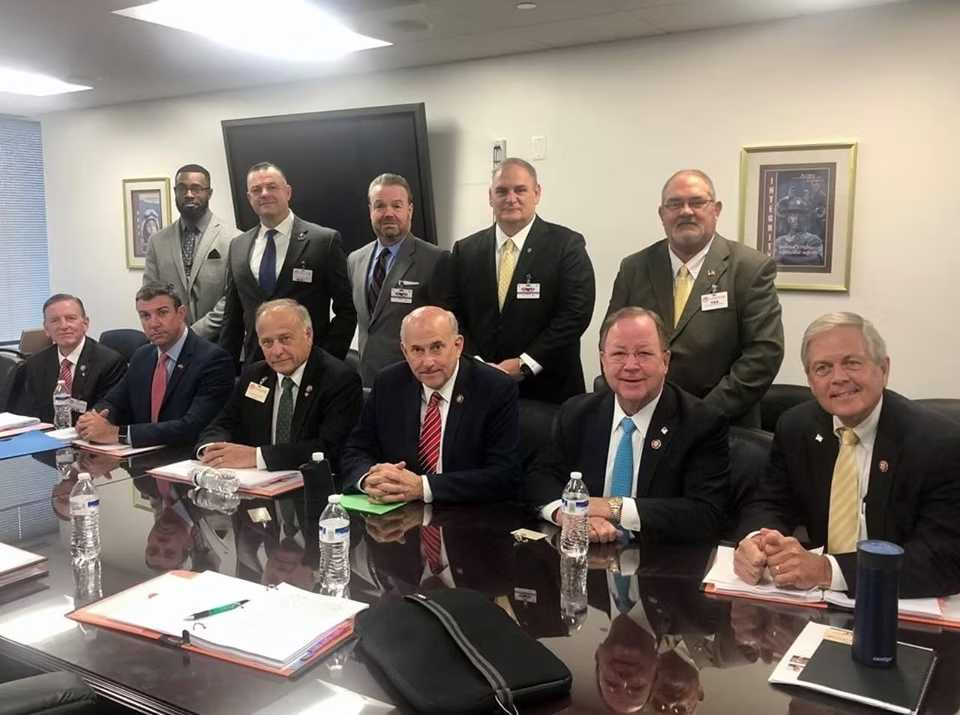
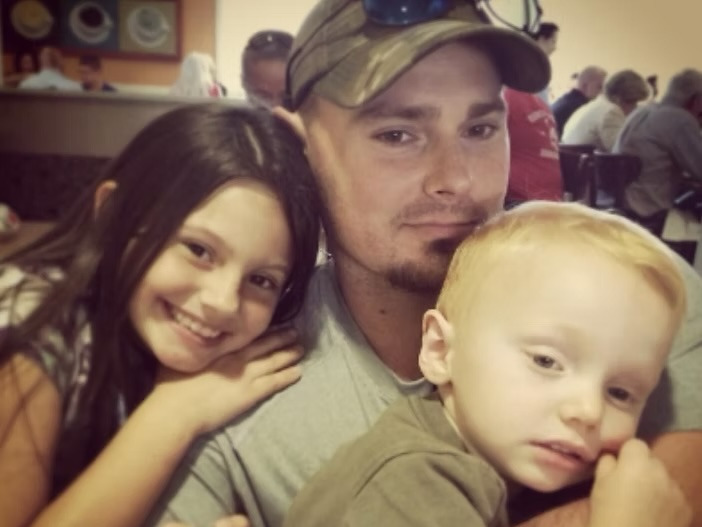
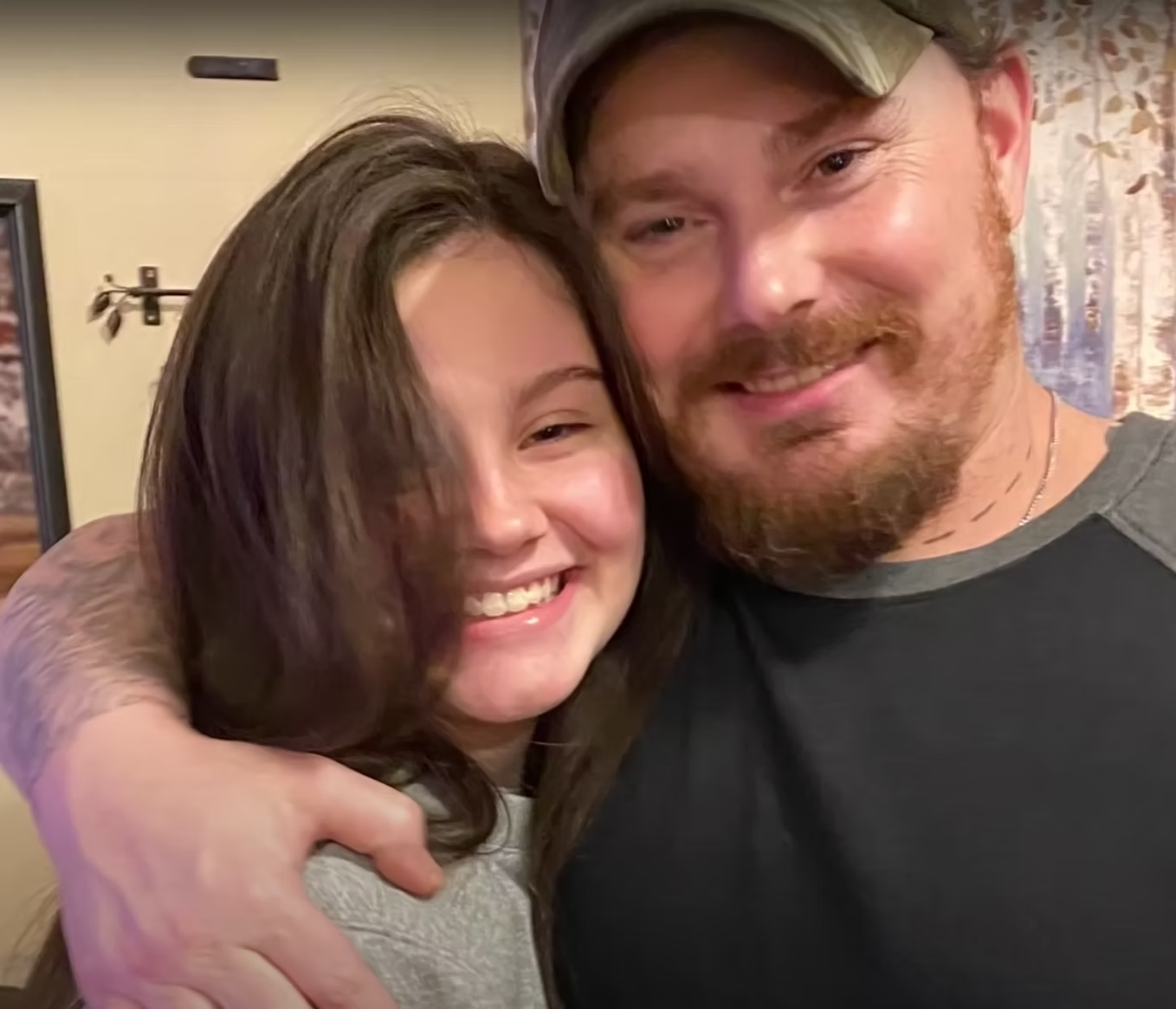
Dustin Heard, reunited with his family after years of unlawful imprisonment.
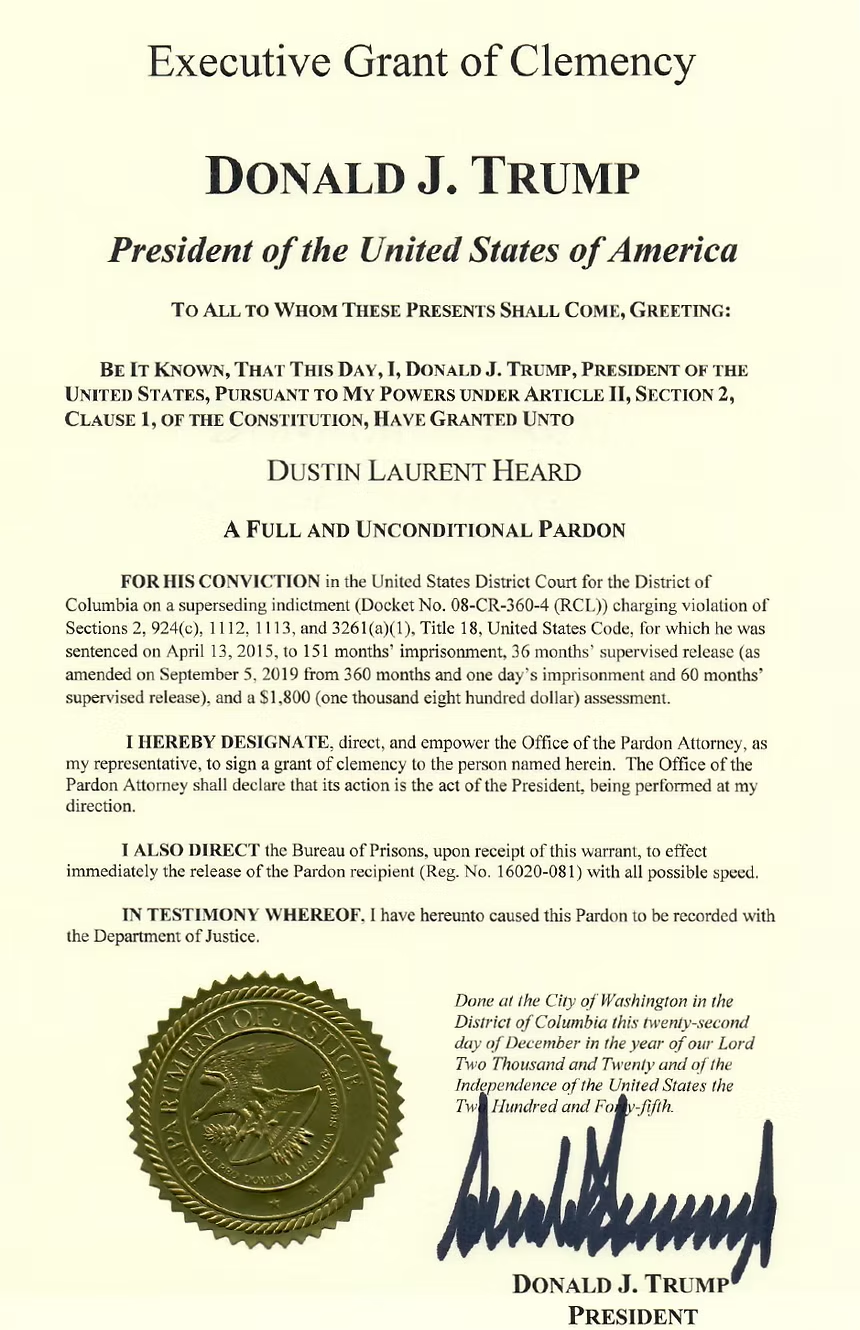
Presidential Pardon

The right attorneys can be the difference between success and failure. Anywhere and everywhere we need to get the word out about your case, we do it. We are a legal team that creates the news, not just reacts to it.
“Most attorneys talk big but then hand your case off to a junior partner or law clerk. With John, you can expect his close personal attention. If you were my friend or family in the most dire of straits, he is the attorney I would recommend.
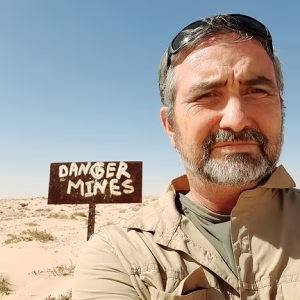
“My first attorney treated my case as an afterthought; I felt like a bother to her. With Mr. Maher, I felt like I was finally heard, understood and represented! He gave my case his full attention and his work yielded my best possible outcome.”

“Colonel Maher made me believe in the legal system again.”
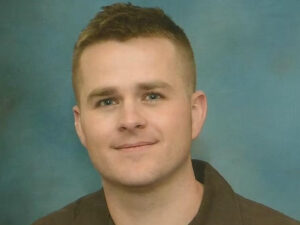
“If I had you at trial, I’m sure I wouldn’t have gone to prison.”

“A corrupt police station accused me of something I didn’t do. I had to quickly prove I was innocent. Not knowing what to do, I turned to Mr. Maher. He proved my innocence and because of him I have my job, and my freedom.”

Frequently Asked Questions
How long does an appeal take?
A military appeal usually has two phases: the Court of Criminal Appeals and the Court of Appeals for the Armed Forces. The process can take one to two years because each side reads the record of trial, investigates, researches the law, drafts appellate briefs, presents an oral argument, and then awaits the court’s decision. There is no set timeframe for how long a court has to decide an appeal.
Can the appeals court correct the mistakes of my trial?
Yes. The law authorizes the appellate courts to take any action necessary to ensure the findings and sentence are correct, up to and including setting aside convictions, reversing sentences, and restoring a service member to full status. This depends, however, on the facts and law involved in each case.
How is the appeal different from my trial?
There are no witnesses and no jury for an appeal. Instead of a single trial judge, there is a panel of three judges. Both sides file their legal arguments as briefs to the court. The panel of judges can allow or deny a presentation of oral arguments. The panel of judges will announce their decision once completed. There is no time limit for when it will be issued.
WHAT HAPPENS AFTER TRIAL — BEFORE THE APPEAL?
The officer who referred your case to trial receives the result after trial and in many instances may take favorable action, up to and including disapproving the findings and the sentence, in appropriate cases. This does not happen often, but it is an opportunity to seek favorable action based on errors at trial before the case goes to the appellate court.
What is the Army Court of Criminal Appeals?
The Army Court of Criminal Appeals at Fort Belvoir, Virginia reviews Army courts-martial from all over the world. The Court of Criminal Appeals is a panel of three judges appointed by the Judge Advocate General of the Army, who is a three-star general and legal officer. In order to be appointed to the panel, each judge must have already served as a senior Judge Advocate. The panel of judges will review the record of the trial, consider the briefs filed by both sides, and choose whether or not to hear oral arguments from both sides before issuing a decision.
[Placeholder — Q5 sub-questions for Navy/Marines, Air Force, and Space Force pending John’s answer on which courts handle those appeals and where they are located.]
What is the US Court of Appeals for the Armed Forces?
This court sits above the Courts of Criminal Appeals, like the Army Court of Criminal Appeals, and consists of five civilians appointed by the President and confirmed to fifteen-year terms. Located in Washington, D.C., the court has the discretion to hear or deny an appeal based on questions of law only. This court does not accept appeals based on factual matters.
What is an appellate brief?
A legal argument where appellate counsel reviews the record of trial, identifies legal errors made during the investigation and trial, conducts legal research to apply the law to those errors, and argues to the appellate court that the client should receive favorable action.
Do i go before a jury?
No. Juries are for courts-martial or trials only. There are no juries authorized for an appeal.
IF THE MILITARY APPEALS ARE NOT SUCCESSFUL, CAN I FILE FOR HABEAS CORPUS IN FEDERAL COURT?
Yes. The U.S. Constitution contains a right to Habeas Corpus and military members must first go through the direct appeal process — the Court of Criminal Appeals and the Court of Appeals for the Armed Forces — before they can file a federal civil lawsuit under the Habeas Corpus statute challenging the constitutionality of their trial, conviction, or sentence.
CAN MY CASE GO TO THE U.S. SUPREME COURT?
Possibly. If the Court of Appeals for the Armed Forces accepts your case, you have the right to take your case to the Supreme Court directly through a petition for certiorari. The U.S. Supreme Court has discretion whether to accept your case. If the Court of Appeals for the Armed Forces does not accept your case, you can file for Habeas Corpus in federal district court and appeal again to the U.S. Supreme Court.
DO THE APPEALS COURTS HAVE TO ALLOW MY ATTORNEY TO PRESENT ORAL ARGUMENTS?
No. There is no right to oral argument. Courts allow oral argument when the court believes it will be helpful in resolving the legal arguments raised in the written briefs.
WHEN IS MY COURT-MARTIAL FINAL?
Generally, when your case has passed through the Court of Criminal Appeals, the Court of Appeals for the Armed Forces, and the U.S. Supreme Court has denied review of your case.
Not Sure Where Your Situation Fits?
Many of the matters Maher Legal handles touch more than one area. The firm’s work often begins exactly there, with a conversation that helps identify which legal framework applies and what the path forward looks like.
You can also reach us by phone at (708) 468-8155.